These tools have already delivered improvements in delays, energy usage, and avoided penalties. All positive, of course, but navigating an airport is still an incredibly stressful activity.
Why? Because passengers don’t measure experience in minutes saved. They measure in perceived stress:
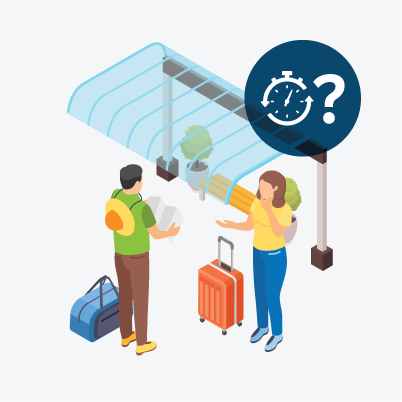
“When should I leave home?”
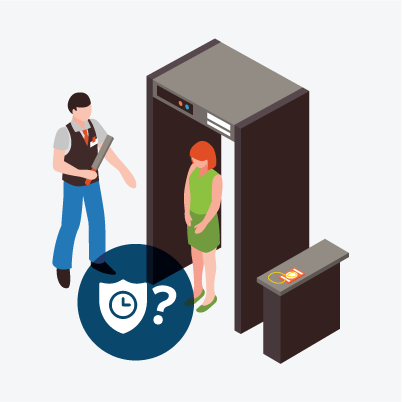
“Will I make security in time?”
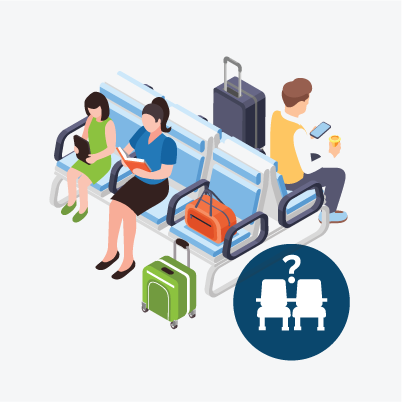
“Where can I find seating for me and my family near my gate?”
And perhaps most frightening…
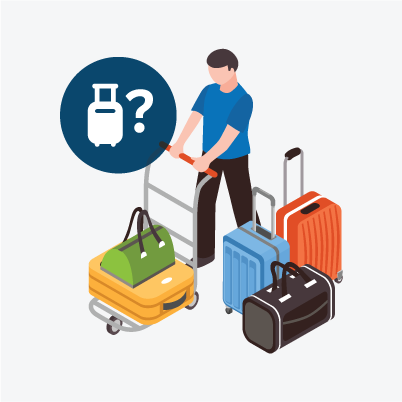
“Will there be space on the plane for my carry-on luggage?”
Most digital twins don’t consider these moments; instead they focus on operational or commercial gains. Not the practical experience of passengers.
What to Do Instead
Predictability
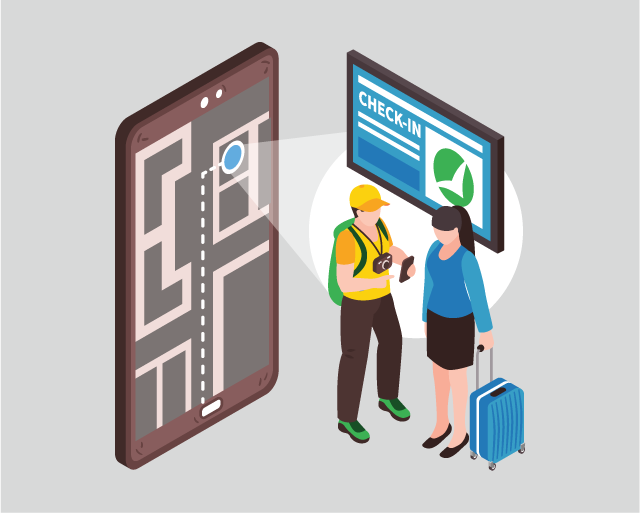
Imagine an airport wayfinding app with the simplicity of Google Maps. One that shows the time to park, clear security, and walk to your gate. “Arrive 3 hours before your flight” feels like it needs a bit of a refresh.
Feedback on Issues
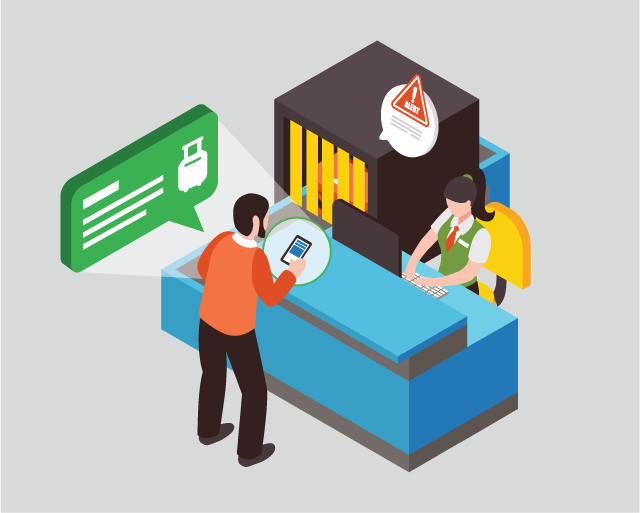
Provide insights into common problems passengers create, like why bags get pulled aside at security. Helping passengers to be better prepared reduces stress and unwanted surprises.
Comfort Near the Gate
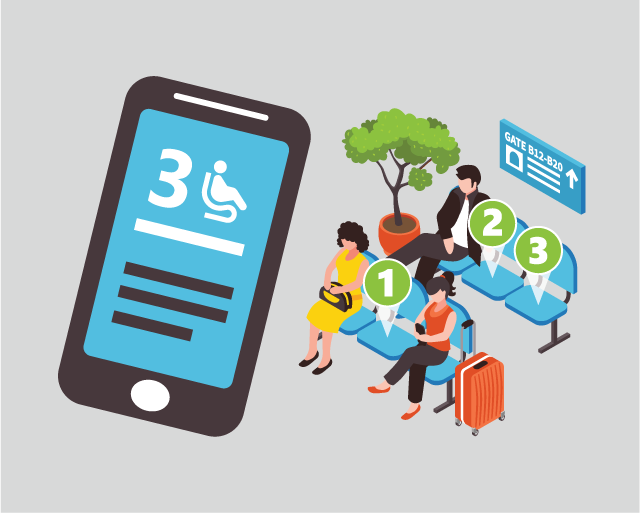
Show live seating availability, bathroom occupancy, and nearby quiet or cooler spaces. Small changes like these would dramatically improve the waiting experience.